
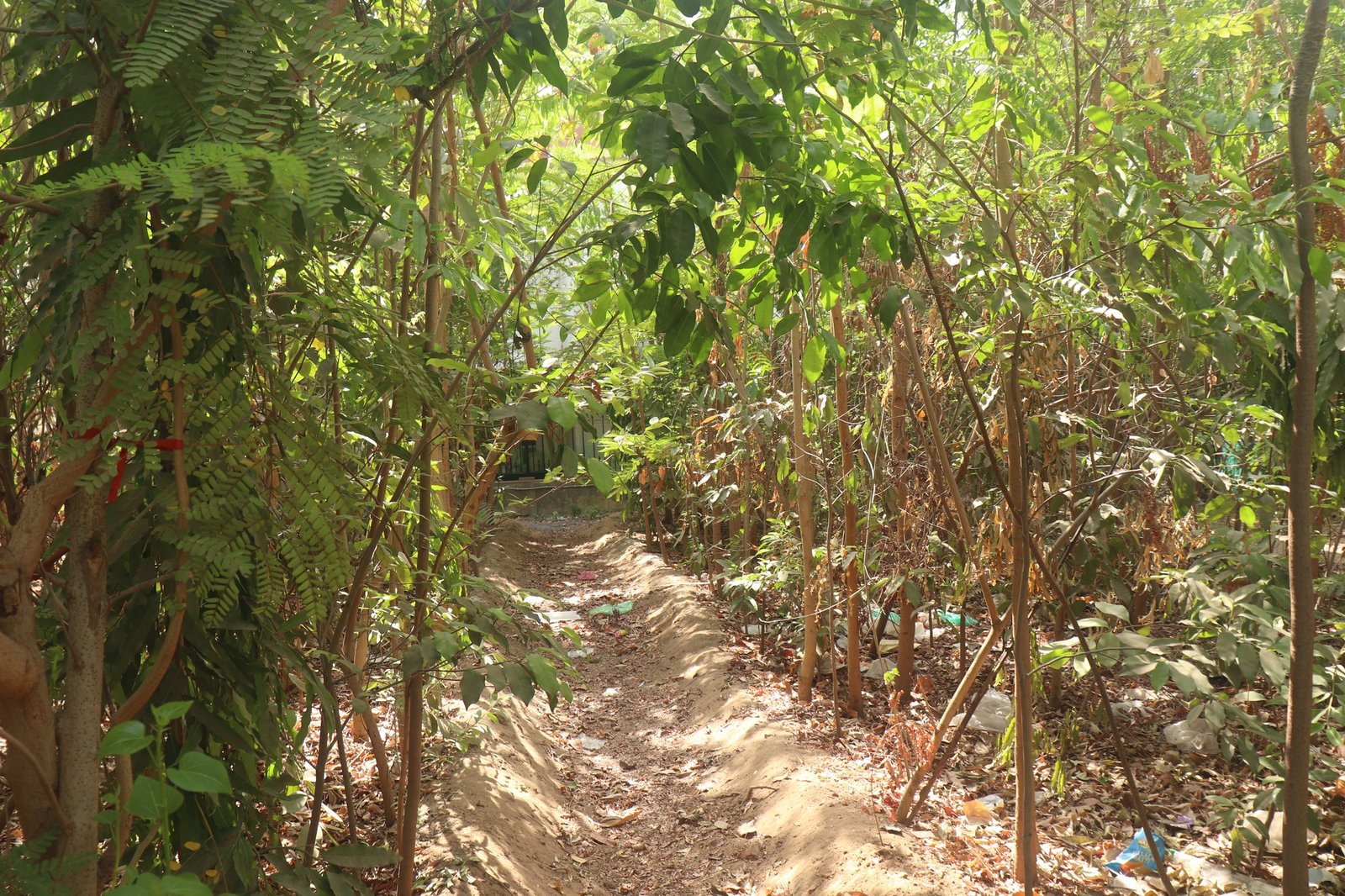
Miyawaki Urban Forest
Dense native forests grown ten times faster on plots as small as a parking bay.
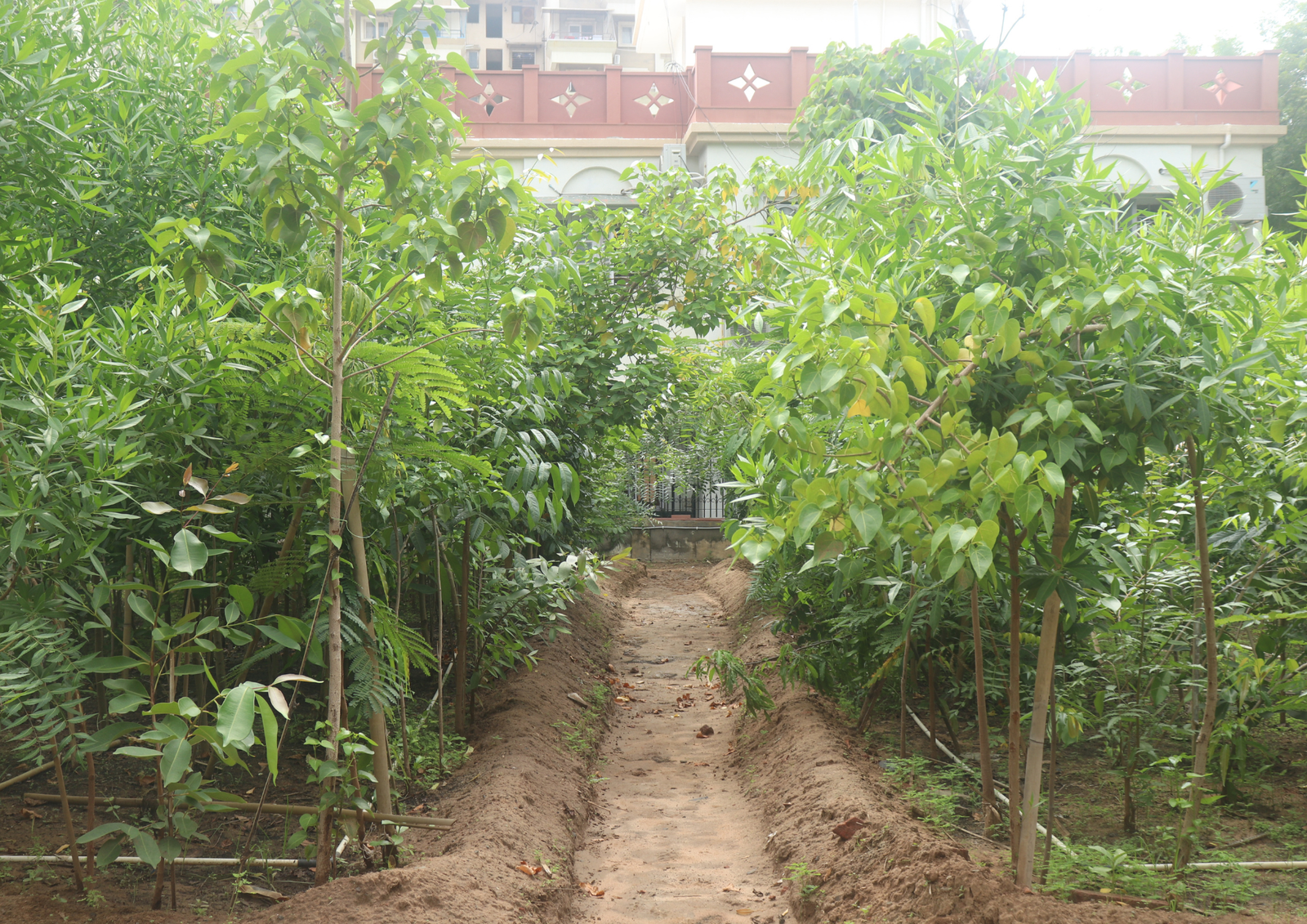



 Volunteers, schools & corporates planting together
Green Leaf Trust is an environmental NGO working on tree plantation, urban biodiversity, water body restoration, and renewable energy — a rare blend of traditional wisdom and modern technology, working towards 10 crore trees by 2030.
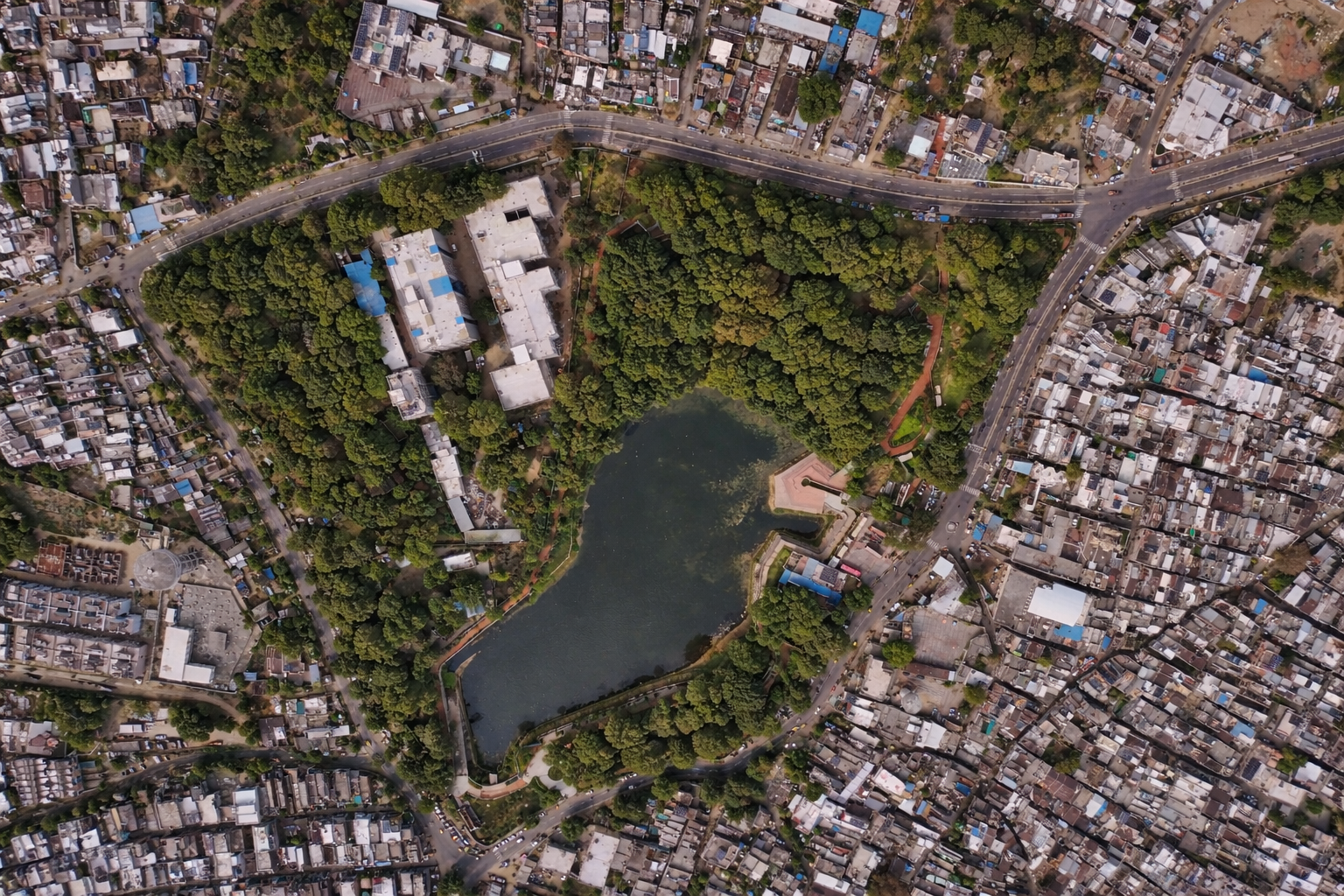
Planting trees, conserving water, and creating greener communities for tomorrow — with the people who live there.
Green Leaf Trust is a leading environmental NGO in India working towards the Sustainable Development Goals through tree plantation, urban biodiversity conservation, water body restoration, sustainable solutions, and environmental research and awareness.
An audited, compliant trust — with carbon and water credit certification that lets corporate partners report measurable outcomes.
We turn intent into ground work — dense native forests, water structures that hold through summer, and clean energy where the grid never reached.
Dense native forests grown ten times faster on plots as small as a parking bay.
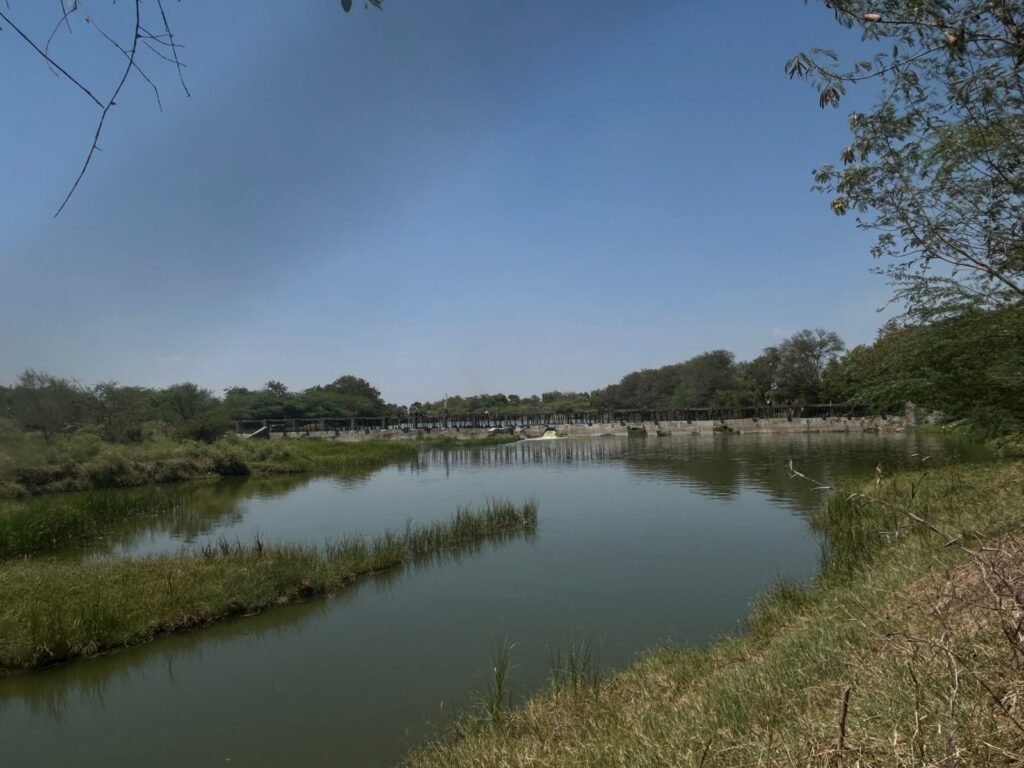
Rooftop harvesting, check dams, and lake restoration that put water back into the ground.
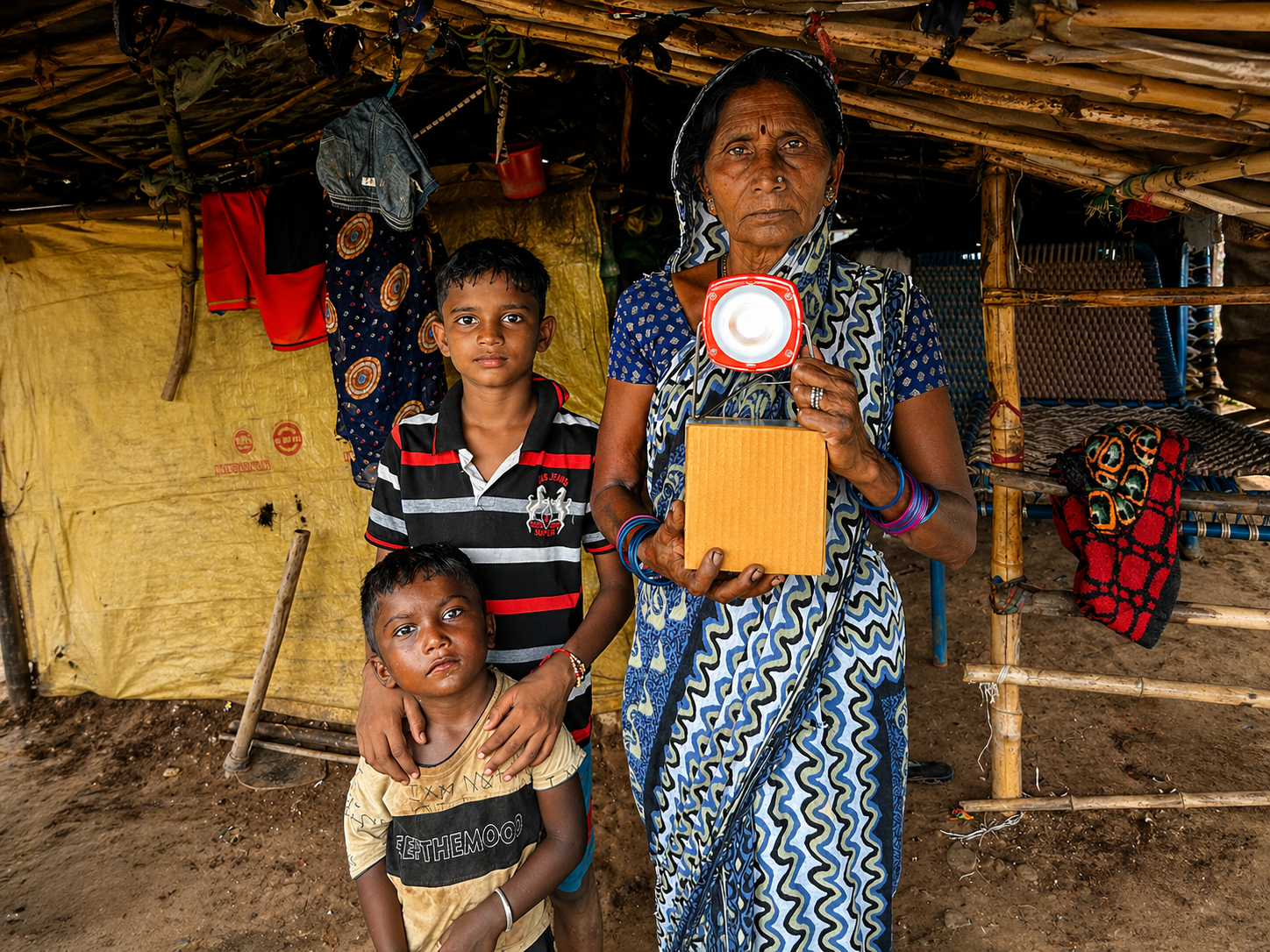
Solar light and clean power for tribal hamlets that have lived without a grid connection.
Compliance, measurement, and long maintenance windows — the unglamorous parts that decide whether a plantation survives.
A compliant, audited trust — your contribution is eligible for tax exemption and every rupee is accounted for.
Projects are documented for carbon and water credit certification, so corporate partners can report real, verifiable outcomes.
All workshops, plantations, presentations, and educational activities are absolutely free for government schools, colleges, and housing societies.
Every number below is field-verified and reported back to the communities, schools, and CSR partners who funded it.
Twenty-one active programmes across tree plantation, water and climate, and community awareness.
Fast-growing urban forest using native species to bring dense green cover back into cities.
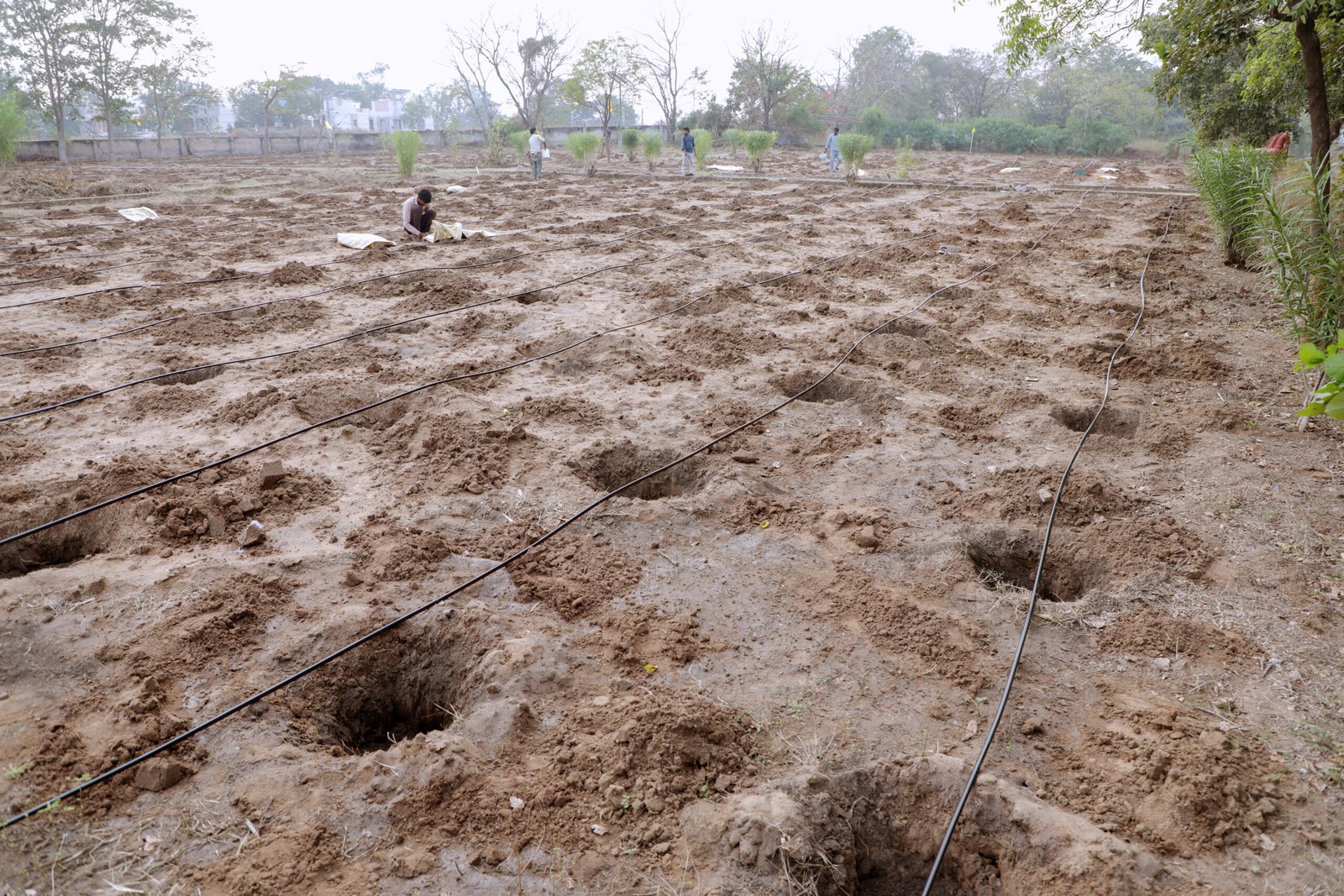
Community plantation drives for cleaner air, biodiversity, and long-term ecological balance.
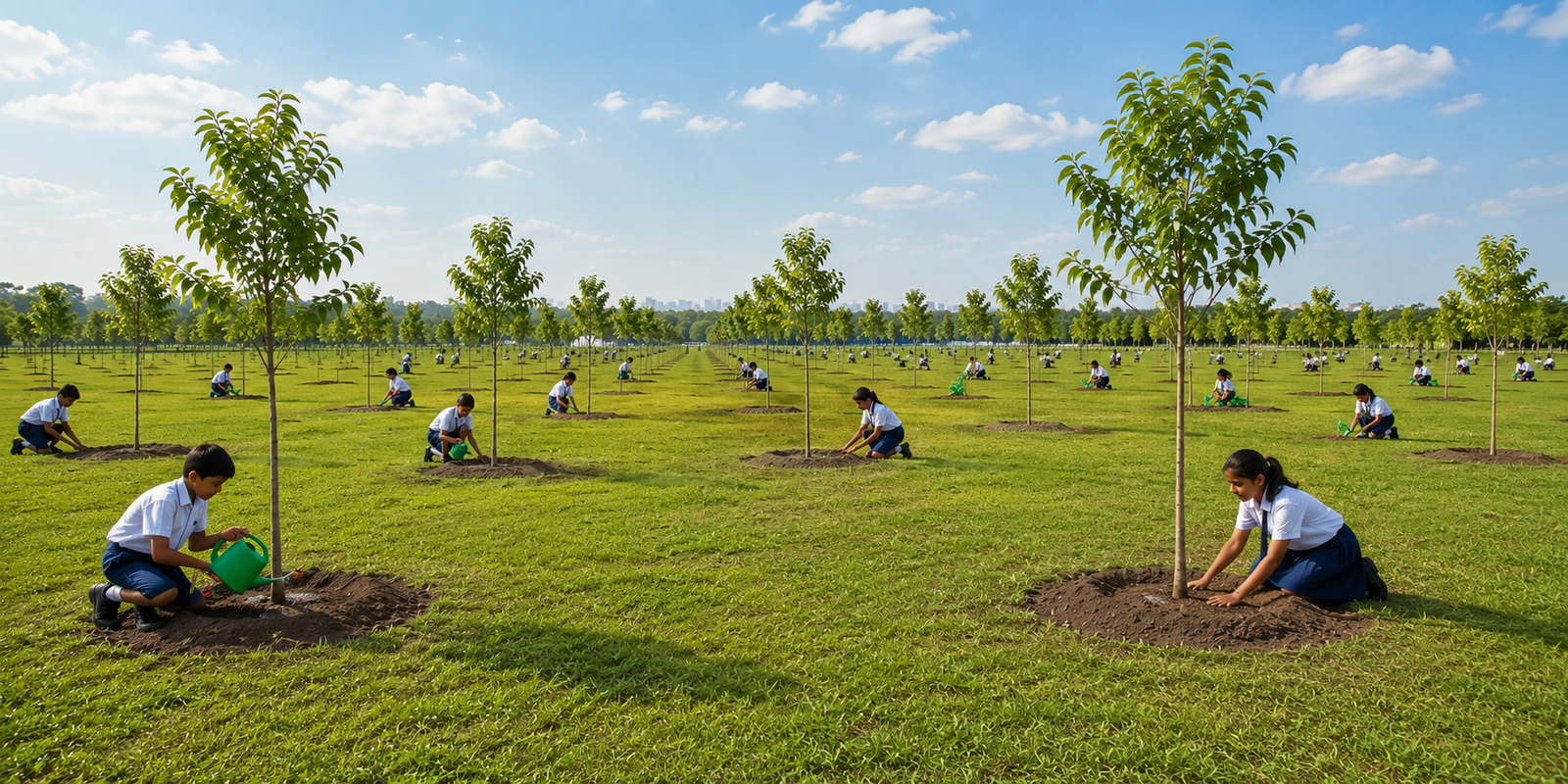
Conventional planting methods that support rural and urban greening at scale.
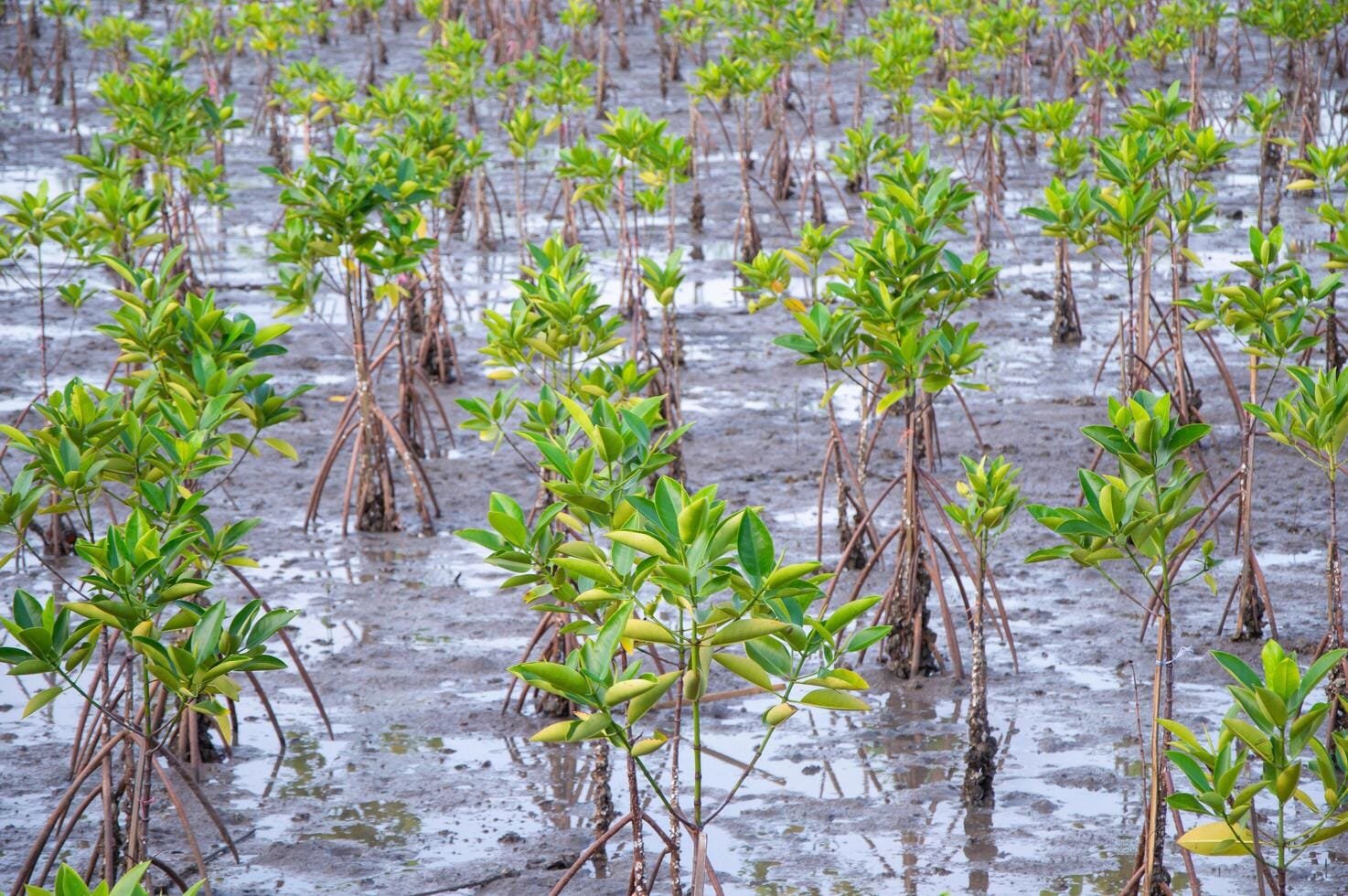
Coastal mangrove restoration that protects shorelines and revives marine ecosystems.
Water conservation systems that help communities save water today and secure tomorrow.
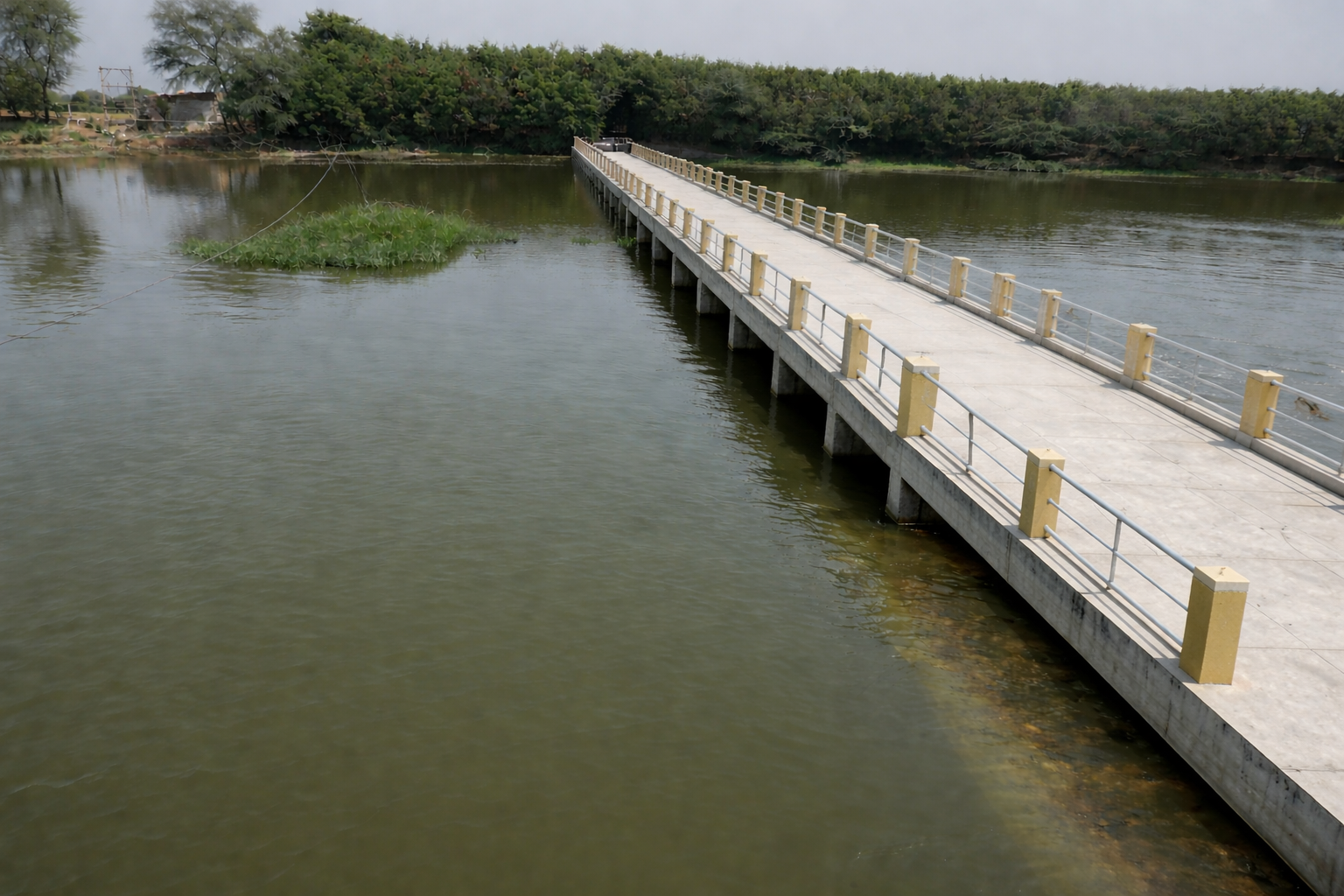
Water-holding structures that recharge groundwater and build local water security.
Four connected fronts — biodiversity, water, clean energy, and waste — because none of them can be solved alone.
Bringing native trees, birds, and pollinators back into the middle of Indian cities.
Read More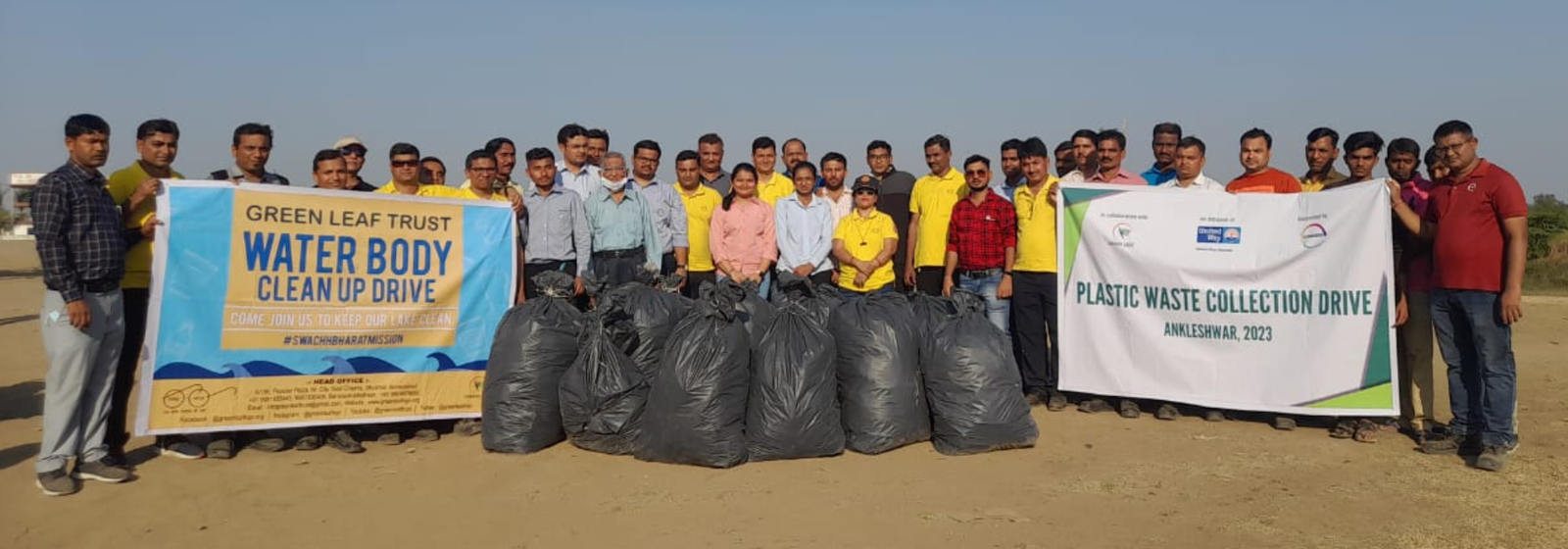
Restoring lakes and recharging groundwater so villages are not left waiting for rain.
Read MoreSolar and wind projects that give remote households light, study hours, and dignity.
Read More
Cloth bags, plastic drives, and recycling systems that change everyday habits for good.
Read MoreA method we repeat on every plot, whether it is a school courtyard or forty acres of degraded village land.
Every project begins with a site study and a conversation — soil, water table, native species, and what the community actually needs.
Traditional wisdom meets modern method. Schools, societies, and corporate teams plant alongside our field staff, so ownership is shared from day one.
Saplings are cared for until the forest is self-sustaining, with survival counts, carbon and water credit tracking, and transparent reporting to every partner.
Awareness, capacity building, and collaboration — the three ways a plantation turns into a habit rather than an event.
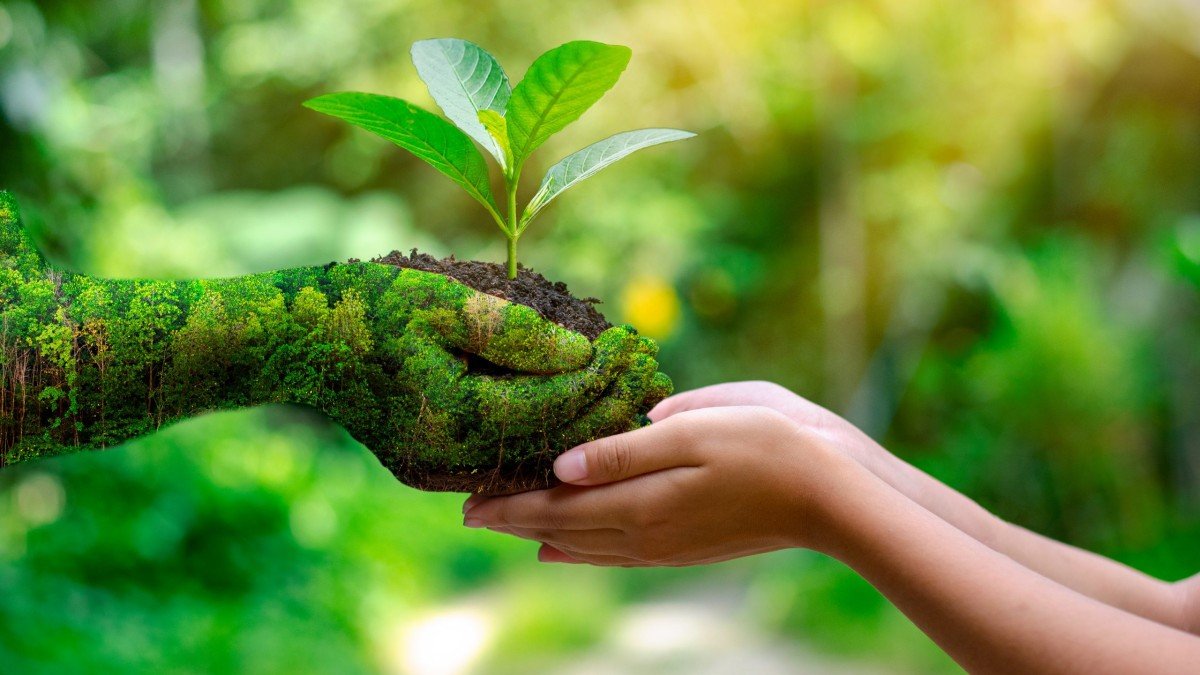
Eco Mind School, environment education sessions, and seed-ball workshops turn abstract climate talk into something children and families can hold in their hands.
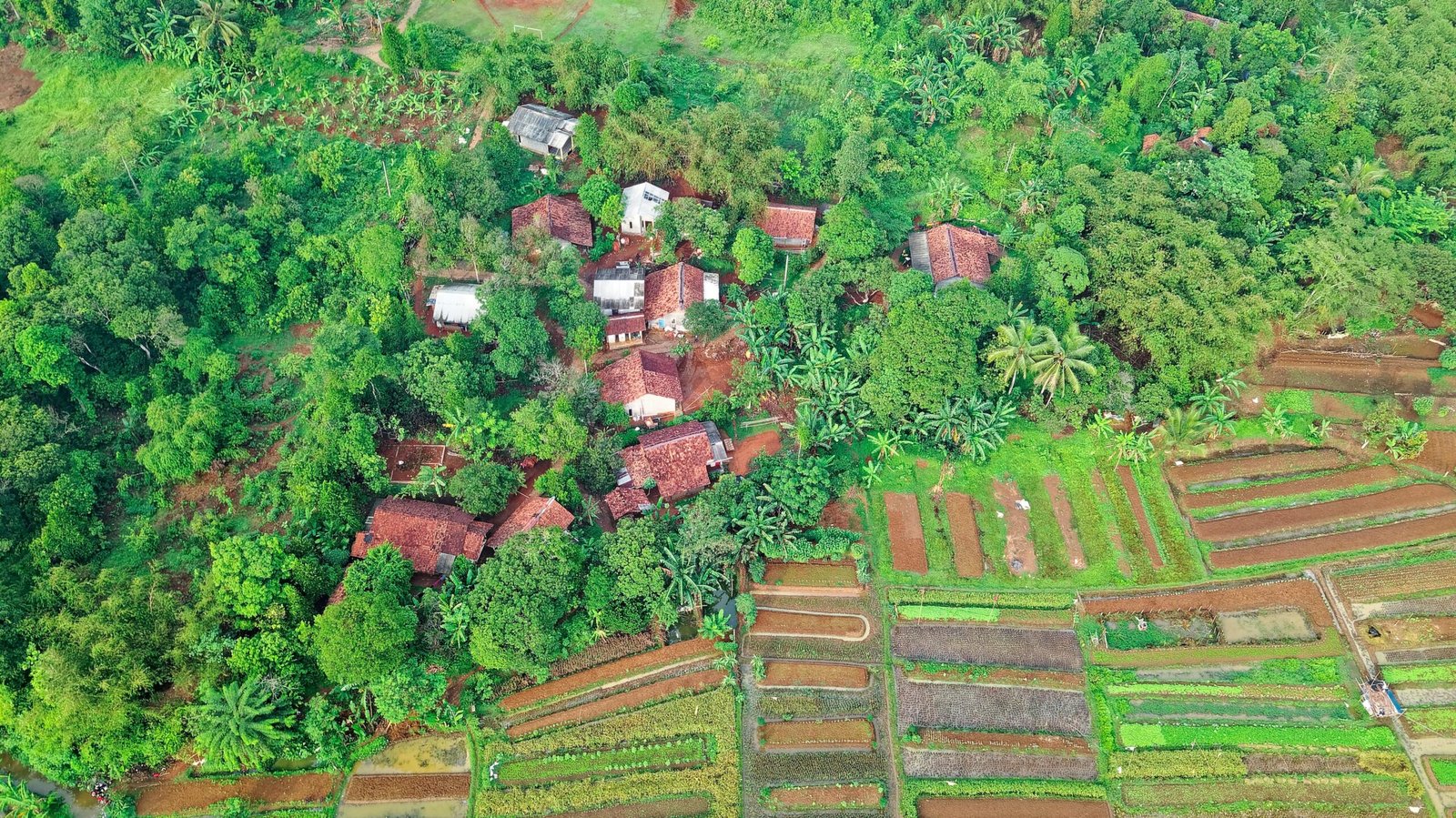
The Green Village Initiative trains local committees to maintain plantations, water structures, and waste systems long after our team has moved on.
CSR partners fund the land preparation, municipal bodies clear the site, and volunteers show up on planting day. Nothing at this scale happens alone.
From CSR partners and school principals to village committees and the volunteers who keep showing up.
“Our employees still visit the plot they planted two years ago. Green Leaf Trust handled the land, the saplings, the maintenance, and the reporting — we only had to show up and dig.”
“The Miyawaki patch behind our school has become the science lab the children actually enjoy. Birds returned within the first monsoon.”
“After the check dam work, our borewell held water through summer for the first time in years. The village committee now maintains it themselves.”
“I joined for one plantation drive and stayed for three years. The team is small, honest, and always on the ground — never just on paper.”
Be part of something bigger. Work alongside people who show up on planting days, clean-up drives, and school sessions across Gujarat.
Field notes, community experiences, and perspectives on what actually works in Indian environmental restoration.
Registration, costs, CSR partnerships, and what happens to a tree after it is planted.
Yes. Green Leaf Trust is registered under Section 12A and 80G, so donations from Indian taxpayers are eligible for tax exemption. Receipts are issued for every contribution.
Nothing. All our workshops, tree plantations, presentations, and educational activities are absolutely free for government schools, colleges, and housing societies.
We handle site identification, soil preparation, native species selection, plantation, and maintenance, and we provide survival reporting plus carbon and water credit documentation for your CSR disclosures.
Yes. Through Digital Forest you can fund a tree that is planted on a rural farmer's land and cared for as part of their agroforestry — you receive the details of what was planted and where.
Miyawaki plots are maintained for the first two to three years until they become self-sustaining. Village and society plantations are handed over to trained local caretakers with a maintenance plan.
Corporate tree plantation programmes that meet your CSR goals, engage your teams, and leave a forest behind.